European equities flatline as markets digest Nvidia board probe
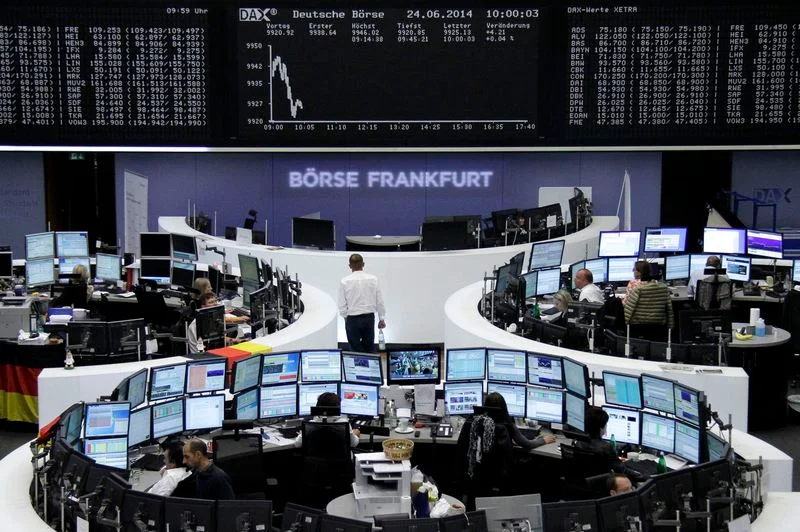
European shares began the week on a dour note, as a heavy slate of upcoming macroeconomic data and unsettling leadership drama at artificial intelligence bellwether Nvidia kept markets on the sidelines.
The pan-European STOXX 600 struggled to find a definitive direction in early trading, it was down 0.1%. Germany’s DAX was flat, France’s CAC 40 slipped 0.3% and London’s FTSE 100 fell 0.1%.
This week presents a gauntlet of central bank speeches, critical inflation prints, and regional growth data that could reshape year-end monetary policy expectations.
While the European docket lacked major domestic corporate catalysts on Monday, cross-border sentiment was weighed down by developments out of Silicon Valley.
Markets spent the morning digesting reports that Nvidia’s board of directors has opened an independent investigation into founder and Chief Executive Jensen Huang.
The probe follows a personal memo from Huang to employees in which he confirmed he had been unfaithful to his wife. Compounding the corporate governance shock, reports have identified the woman as a suspected Chinese spy, with U.S. intelligence agencies concluding she was an intelligence asset working for Beijing.
Nvidia’s Frankfurt-listed shares was down 6%. That follows last week’s brutal recent sell-off that had already placed the shares under heavy pressure following the U.S. midterm elections.
Central bank speeches and U.S. CPI in focus
The week is heavily packed with public appearances from a litany of European Central Bank officials, including chief Economist Philip Lane and President Christine Lagarge.
Adding to the transatlantic tension, investors are bracing for the latest U.S. Consumer Price Index (CPI) report, which is expected to show headline inflation rising 0.3% month-on-month in October.
Closer to home, market participants are awaiting the release of the Euro zone’s third-quarter gross domestic product (GDP) figures to gauge whether the region has managed to skirt a formal recession despite months of acute energy-driven margin compression.
Coupled with impending European Central Bank economic forecasts, the growth and inflation data will prove pivotal. With Eurozone inflation recently hitting a three-year high of 4.0% in October, the upcoming GDP print will dictate whether the ECB prioritizes growth preservation or accelerates its inflation fight. Financial markets are already pricing in a strong likelihood of an ECB rate hike in December to counter these price pressures.