Iran attacks Gulf infrastructure as US widens strikes, Hormuz tensions rise
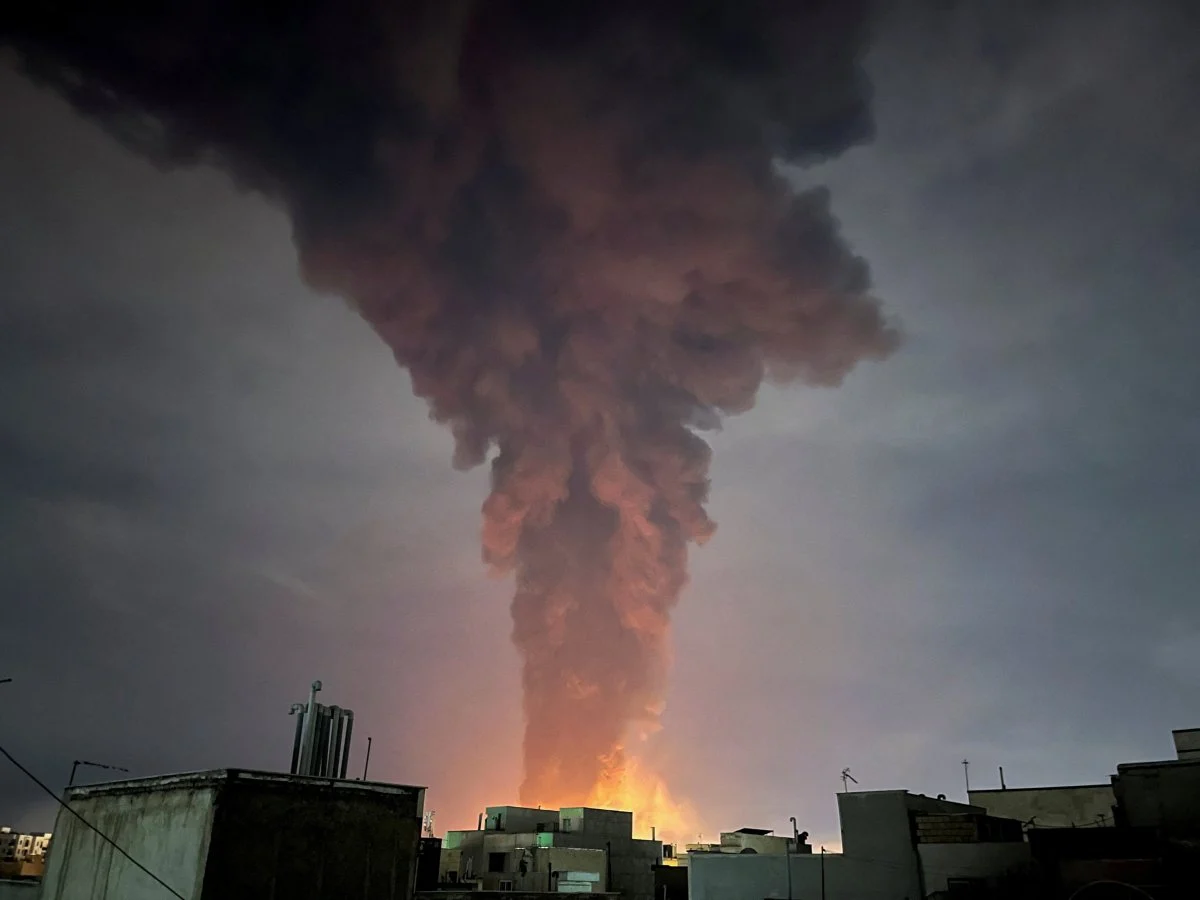
Iran renewed missile and drone attacks against US allies across the Gulf on Saturday after a seventh consecutive night of American strikes targeted military and logistics sites inside Iran, Reuters reported
The latest escalation came one week after a fragile ceasefire agreement collapsed, raising the risk of a return to broader conflict and further disruption to regional energy supplies.
US Central Command said fighter aircraft, drones and warships struck surveillance sites, military logistics infrastructure, underground weapons storage and maritime capabilities. More than 50,000 American personnel remain deployed across the Middle East.
Iranian media reported strikes in Hormozgan province and the cities of Sirik, Ahvaz, Yazd, Jask and Khorramabad. Three people were killed and eight injured after two bridges and a road tunnel were damaged early Saturday.
Missiles also struck power facilities and desalination pumps in Jask, cutting drinking-water supplies to surrounding villages, according to a local official.
At least five bridges were reportedly hit in southern Iran on Friday. Seven people were killed near the port of Bandar Khamir, where a railway station was also damaged. An airport in Iranshahr, near the Pakistani border, was struck farther inland.
The United Nations expressed concern about attacks on civilian infrastructure in Iran and elsewhere in the region.
Tehran retaliated against countries hosting US military facilities, announcing attacks on Bahrain, Qatar, Kuwait and Jordan. Saudi Arabia issued early warnings in two areas but had not reported damage.
Kuwaiti authorities said an Iranian strike hit a power generation and desalination facility, causing a fire and disrupting several electricity-generating units. The country’s military later said it was responding to additional drone attacks.
Iran’s Revolutionary Guards also claimed they destroyed a US drone depot and Bahrain’s main artificial intelligence centre using ballistic missiles and drones. Those claims were not independently confirmed.
Separately, Iran’s navy fired a shore-to-sea cruise missile towards what it described as a hostile US vessel in the northern Indian Ocean. No American confirmation of damage was available.
Shipping through the Strait of Hormuz has become another front in the conflict. The waterway handles about one-fifth of global oil supplies.
Washington said its forces redirected four commercial vessels, disabled one, and boarded another while enforcing a blockade of Iranian ports.
Iran claimed it stopped four vessels that violated its navigation rules using missiles and drones. Iranian media also said two oil tankers exploded after entering a mined route south of the strait, an account rejected by the US military.
The Revolutionary Guards warned that no oil, gas, or chemical fertiliser would leave the region until US attacks stopped.
Oil prices rose more than 4% on Friday to their highest level in over a month, adding political pressure on President Donald Trump ahead of November’s congressional elections.
Security concerns also spread to the Red Sea after armed men seized a vessel off Yemen, threatening another major route for global energy shipments.