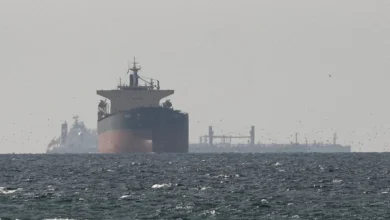
U.S.-Iran tanker war escalates as Hormuz disruption deepens
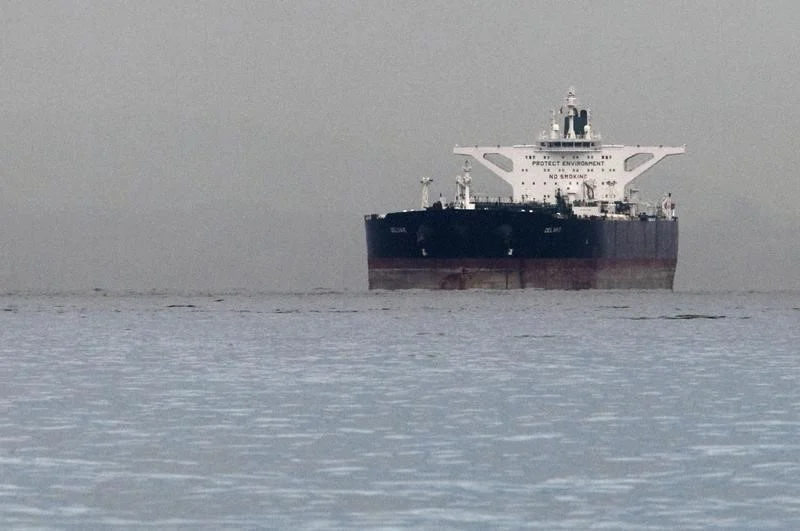
Investing.com — The U.S.-Iran conflict intensified over the weekend as Tehran claimed fresh attacks on a U.S.-operated drone boat and several commercial vessels, adding to a widening confrontation in the Strait of Hormuz after Washington struck three Iranian oil tankers, Al Jazeera reported on Sunday.
Iran’s Islamic Revolutionary Guard Corps said its naval forces attacked a remotely operated U.S. drone boat that it said was trying to enter a protected area of the strait. The claim followed Saturday’s exchange of fire in which the IRGC said it launched ballistic missiles at a U.S. aircraft carrier and Navy destroyer.
U.S. Central Command said the American warships evaded the missiles and no personnel were hurt. Washington responded by striking three Iranian crude carriers, permanently disabling the M/T Downy and M/T Stark 1 and destroying the unladen M/T Kylo in the Gulf of Oman. CENTCOM later said the Kylo had sunk.
Defense Secretary Pete Hegseth warned that Iranian attacks on U.S. ships would be answered by destroying Iran’s oil tankers, raising the prospect of further pressure on Tehran’s energy exports.
The IRGC separately said it attacked three oil tankers travelling through what it called “unauthorised” routes in the Strait of Hormuz and three U.S.-affiliated vessels elsewhere. Iran’s Foreign Ministry condemned the U.S. strikes and warned Washington that its partners would bear responsibility for further escalation.
The confrontation is adding pressure to already disrupted regional energy flows. Middle East crude exports in August were 39% below January and February levels, when shipments averaged about 18.5 million barrels per day, according to TankerTrackers.
The shortfall narrowed to 7.2 million bpd in August from 12.4 million bpd in May, when exports were 67% below pre-war levels.
Diplomatic contacts continued overnight. Iranian Foreign Minister Abbas Araghchi held separate calls with his Turkish and Saudi counterparts to discuss regional stability and the Strait of Hormuz.
The conflict is also spreading across other fronts. Israel launched fresh strikes in southern Lebanon after accusing Hezbollah of drone attacks, and its military began surprise exercises to test readiness for a large-scale, multi-front event. Fighting also intensified in Yemen, where government forces claimed gains against the Iran-aligned Houthis.
The latest developments keep the Strait of Hormuz at the center of market risk, with shipping security and Gulf oil exports remaining key drivers for crude prices and energy stocks.
What should you actually own right now?
The best investments start with better data. Going with your gut has its place, but when excitement masquerades as intuition, it can lead to costly mistakes—or analysis paralysis.
InvestingPro combines institutional-grade data with AI-powered insights that you don’t need a finance PhD to understand. It won’t guarantee winners, but it will certainly help you find more of them, more often.