Oil drops amid reports of Iran ceasefire talks, new Trump deadline
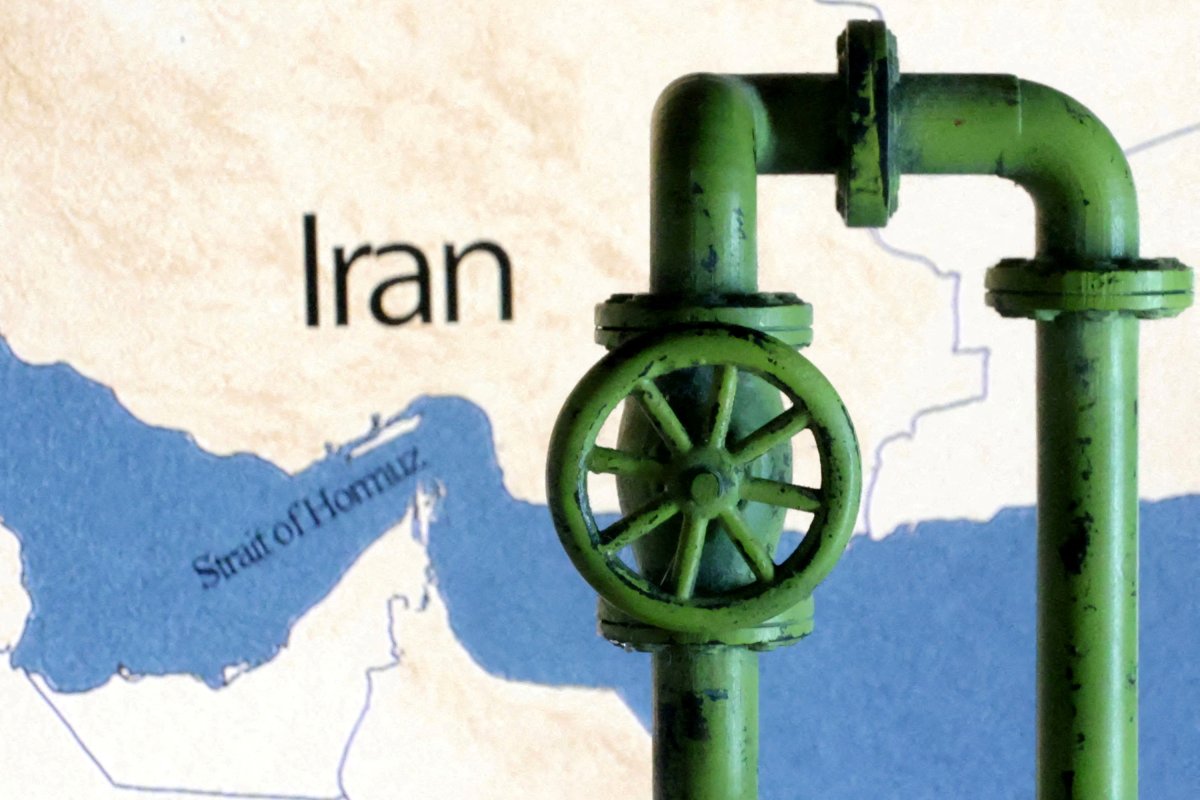
Oil prices turned lower on Monday, as investors weighed reports of a potential U.S.-Iran ceasefire against President Donald Trump’s deadline for Iran to reopen the Strait of Hormuz.
Front-month Brent crude oil futures, the global benchmark, were last lower by 1.0% at $107.93 a barrel, after briefly topping $110 a barrel earlier in the session. U.S. West Texas Intermediate crude futures fell by 1.5% to $109.88.
WTI futures surged more than 11% in the last full trading session before the Good Friday holiday.
The U.S. and Iran have received a framework of a plan to halt hostilities, although Tehran has rebuffed any immediate reopening of the Strait of Hormuz, Reuters reported, citing a source aware of the proposals.
The plan — brokered by Pakistan following overnight contacts with U.S. and Iranian officials — would start an immediate ceasefire followed by talks on a broader settlement to be concluded withing 15 to 20 days, Reuters reported.
Both contracts handed back some gains after open as an Axios report said the U.S., Iran, and regional mediators were discussing terms for a possible 45-day ceasefire that could open a path toward ending the war.
The report said the chances of reaching even a partial agreement within the next 48 hours remain slim, but mediators view the effort as the last realistic opportunity to avoid a major escalation.
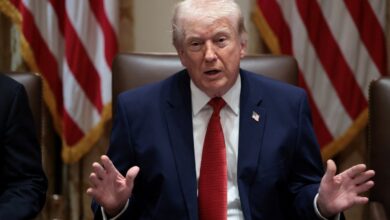
Before this, President Trump on Sunday warned that Iran must reopen the Strait of Hormuz by Tuesday, indicating that an 8 p.m. Eastern Time deadline had been set for sailings to widely resume through the strategic waterway.
If the strait remains effectively shuttered, “Tuesday will be Power Plant Day, and Bridge Day, all wrapped up in one, in Iran,” Trump warned, adding “[t]here will be nothing like it!!!”
The threat revived fears of a prolonged closure to the Strait of Hormuz, a vital shipping artery through roughly a fifth of the world’s oil flows.
Meanwhile, the Organization of the Petroleum Exporting Countries and its allies (OPEC+) agreed that eight member countries would raise output by 206,000 barrels per day for May.
However, traders viewed the increase as largely theoretical because much of the additional crude may not immediately reach the market under current logistical constraints.
The renewed strength in crude prices also reinforced inflation concerns for financial markets, with higher energy costs expected to pressure transport, manufacturing, and consumer sectors globally if the Strait remains blocked.