Oil prices edge higher as Hormuz risks offset Saudi price cuts, OPEC+ supply boost
Oil prices rose on Tuesday as renewed security concerns in the Strait of Hormuz outweighed expectations of stronger global crude supplies following Saudi Arabia’s steep price cuts for Asian buyers and OPEC+’s latest output increase.
At 01:25 ET (05:25 GMT), Crude Oil WTI Futures rose 0.76% to $69.07 a barrel, while Brent Oil Futures gained 0.81% to $72.57 a barrel.
Geopolitical risks remain in focus
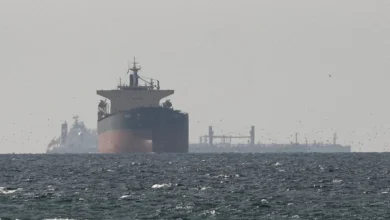
Support for crude strengthened after a tanker transiting near the Strait of Hormuz was reportedly struck by a projectile off the coast of Oman, causing a fire but no casualties. The incident reinforced concerns that shipping risks remain elevated even as commercial traffic through the strategic waterway gradually recovers.
The Strait has reopened to commercial traffic, including recent transits by Japan-linked vessels, but shipping volumes remain below pre-conflict levels. Traders remain alert to the possibility that isolated security incidents could slow the normalization of Gulf exports and preserve a geopolitical risk premium in oil prices.
Those concerns helped offset growing expectations of higher supplies from Saudi Arabia and OPEC+, allowing crude to extend gains despite a broadly improving supply outlook.
Higher supplies weigh on the broader outlook
The broader market remains focused on rising supply. Saudi Aramco cut the August official selling price of its flagship Arab Light crude for Asia to a discount against the regional benchmark for the first time since 2020, highlighting intensifying competition for market share as Gulf exports recover.
The move follows OPEC+’s decision over the weekend to raise August production targets, reinforcing expectations that more barrels will return to the market as regional conditions normalize. ANZ said product markets remain considerably tighter than crude markets, with firm refining margins and relatively lean fuel inventories helping cushion the downside for oil even as crude supply improves.
The bank added that improving Gulf export flows continue to point to a looser crude market over the medium term, although recovering product demand has helped prevent a sharper decline in prices.
Markets are now awaiting the U.S. Energy Information Administration’s Short-Term Energy Outlook for updated production and demand forecasts, while developments in the Strait of Hormuz and the pace of recovering Gulf exports remain key drivers for crude prices.