Dollar sees best day since June after stellar jobs report, set for weekly gain
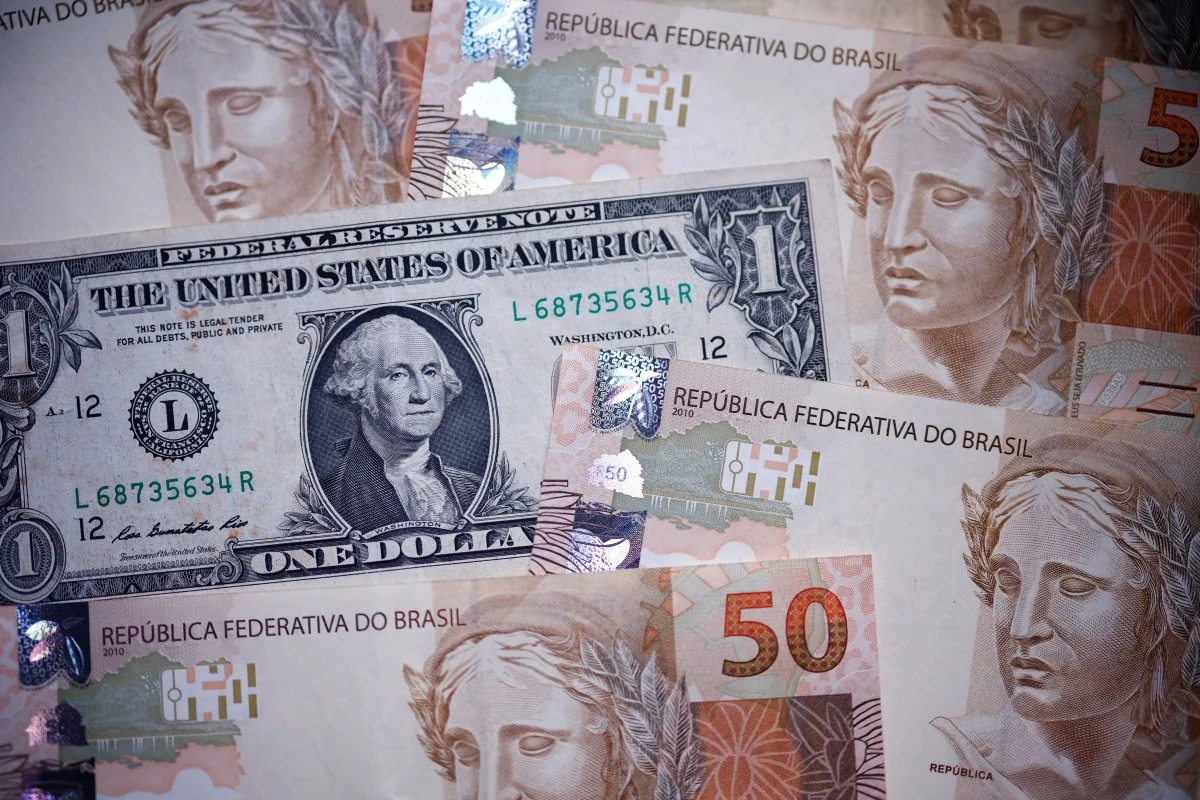
The U.S. dollar surged on Friday, snapping a two-day losing streak and heading for a weekly gain after a blowout jobs report strengthened Federal Reserve rate hike expectations. The greenback had been under pressure in the previous couple of sessions after a decisive Democratic victory in the U.S. midterm elections.
Meanwhile, the dollar’s jump weighed on the euro and the yen. Notably, the Mexican peso firmed despite the country’s central bank unexpectedly cutting interest rates.
At 15:45 ET (20:45 GMT), the U.S. dollar index, which tracks the world’s premier currency against a basket of six major peers, jumped 0.8% to 102.30, set for its best day since June 18. For the week, the gauge had advanced 0.4%.
U.S. labor market powering along
Currency market participants were focused on the U.S. economic calendar on Friday, with the October jobs report taking center stage.
As per the U.S. Bureau of Labor Statistics, total nonfarm payroll employment rose by 165k last month, surging past the consensus estimate of 65k. Employment for August and September were revised upward by a combined 84k. Meanwhile, the unemployment rate ticked down to 4.1% from 4.2% in September.
With inflation running well above the Fed’s long-term 2% target, the stellar report suggests that the labor market remains very strong. This theoretically gives the central bank more headroom to hike interest rates – a scenario that could herald more pain for Wall Street. The Fed raised rates by 25 basis points in September, with policymakers indicating that sticky inflation was likely to elicit more hikes.
As per the CME FedWatch tool, the odds of the Federal Open Market Committee (FOMC) delivering another quarter-point rate hike on December 9 rose to nearly 79% after the jobs data from almost 73% before. Higher rate environments tend to strengthen the dollar.
“All signs point to a firming in the labor market in the last three months. After revisions to prior months and October’s strong than expected number, the U.S. is now adding jobs at a 120-130k monthly clip, more than enough to keep downward pressure on the unemployment rate,” Jeffrey Cleveland, chief economist at Payden & Rygel, said.
“We think it’s possible the unemployment rate could tick below 4%, surprising virtually everyone. Wage growth also picking up a bit month to month. All told, since the October FOMC meeting, all key data repots have come in stronger than expected—GDP strong, core inflation sticky, jobs strong enough to push down the unemployment rate—leaving the Fed on track to hike rates again in December,” he added.
Dollar’s shine dented by AI regulation expectations
Away from the jobs report, the historic rout in the artificial intelligence trade on Wall Street continued to grab attention. While the AI trade tentatively rebounded on Friday, traders are concerned that the Democrats — now in control of both chambers of Congress — could pursue greater regulation of the AI industry and attempt to slow down the proliferation of massive data centers.
Given that the massive AI infrastructure buildout has played a key role in boosting the U.S. economy, any hit to it could affect growth and take the shine off the greenback.
According to Thierry Wizman, global FX and rates strategist at Macquarie, any “mandated slowdown in data center construction” could “lead to a generalized slowdown in the U.S. economy, by extension.”
“After all, data center construction touches many sectors – raw materials, real estate, transportation, tech hardware and software, lending, etc., – leading to the logic of a broad sell-off and a generalized growth worry,” he added.
Euro and yen head for weekly losses, Mexican peso gains
Turning to other major currencies, the euro slid 0.7% to $1.1137, and was set for a weekly decline of 0.2%. The single currency has been under the pump due to the advance in the dollar.
Over in Asia, the Japanese yen snapped a two-day win streak, weakening to 158.46 a dollar. The yen had been supported by safe-haven demand on Wednesday and Thursday amid the bruising sell-off in the AI trade.
Elsewhere, the Mexican peso rose to 18.6174 per dollar. The move came despite the Bank of Mexico cutting its key policy rate by 25 basis points, citing progress in disinflation and a soft economy.
“The Governing Board judged that the disinflation process continues. It assessed that, under the prevailing slack conditions, the pass-through of exchange rate fluctuations to consumer prices would be limited. It estimated that no demand-side pressures are currently perceived in the Mexican economy and that the level of monetary restriction implemented continues operating,” the bank said in a statement.