Oil prices edge up as Trump threatens strikes against Iran if peace talks fail
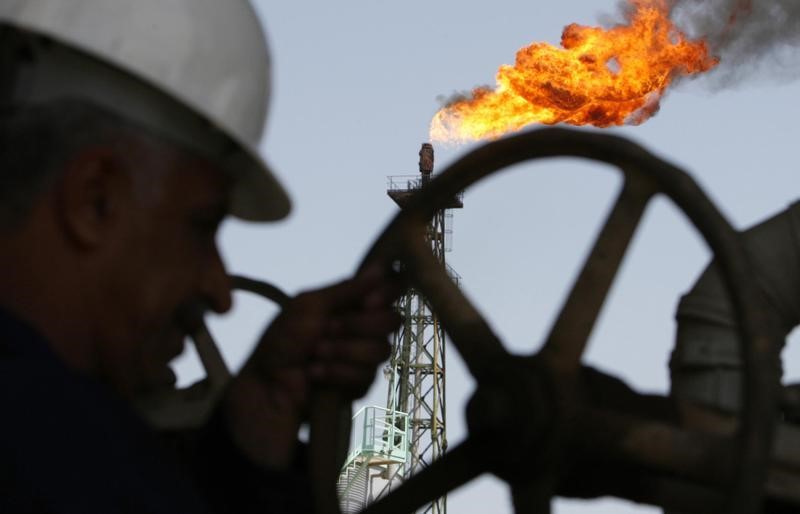
Oil prices inched higher on Thursday, steadying after a fall in the prior session spurred on by hopes for a detente between the U.S. and Iran that could reopen the Strait of Hormuz.
Brent oil futures for July, the global oil benchmark, rose 0.3% to $105.31 a barrel, while U.S. West Texas Intermediate crude futures ticked up by 0.6% to $98.81 a barrel by 04:54 ET (08:54 GMT).
Oil recovered from two days of losses, having fallen sharply on Wednesday after Trump flagged progress in talks with Iran.
U.S. President Donald Trump said Washington was ready to strike Iran if the country did not agree to a peace deal. But Trump also noted that he was willing to wait on more military action, having earlier flagged progress in negotiations with Tehran.
Tehran, for its part, rebuked Trump’s threat of renewed bombardments, warning that any such move could greatly escalate the war. Separately, Iranian media reports suggested that the country was reviewing the latest U.S. response to its peace proposal.
Iran also launched a new “Persian Gulf Strait Authority” to control traffic in the Strait of Hormuz, having earlier outlined plans to charge tolls in the channel.
Investors are particularly hunting for any indications that a deal could be made to reopen the Strait of Hormuz, a vital waterway off of Iran’s southern coast which has been all but closed to tanker traffic since the start of the war in late February. Shipping data in media reports earlier this week indicated that some vessels have been able to traverse the conduit in recent days.
Roughly a fifth of the world’s oil traverses the strait, making its closure a key driver behind a spike in oil prices following the start of joint U.S. and Israeli assault on Iran in late February. Before the conflict, Brent was exchanging hands at around $70 a barrel.
Elsewhere, data on Wednesday showed an outsized weekly drop in U.S. oil inventories last week, as Washington ramped up oil exports to help plug some supply gaps stemming from the closure of the Strait of Hormuz.
Crude oil inventories fell 7.9 million barrels in the week to May 15, much more than expectations for a draw of 2.9 million barrels.
Gasoline inventories fell by 1.5 million barrels last week, less than expectations for a 2.1-million-barrel draw.