Oil prices tumble after US, Iran agree to end war, reopen Hormuz
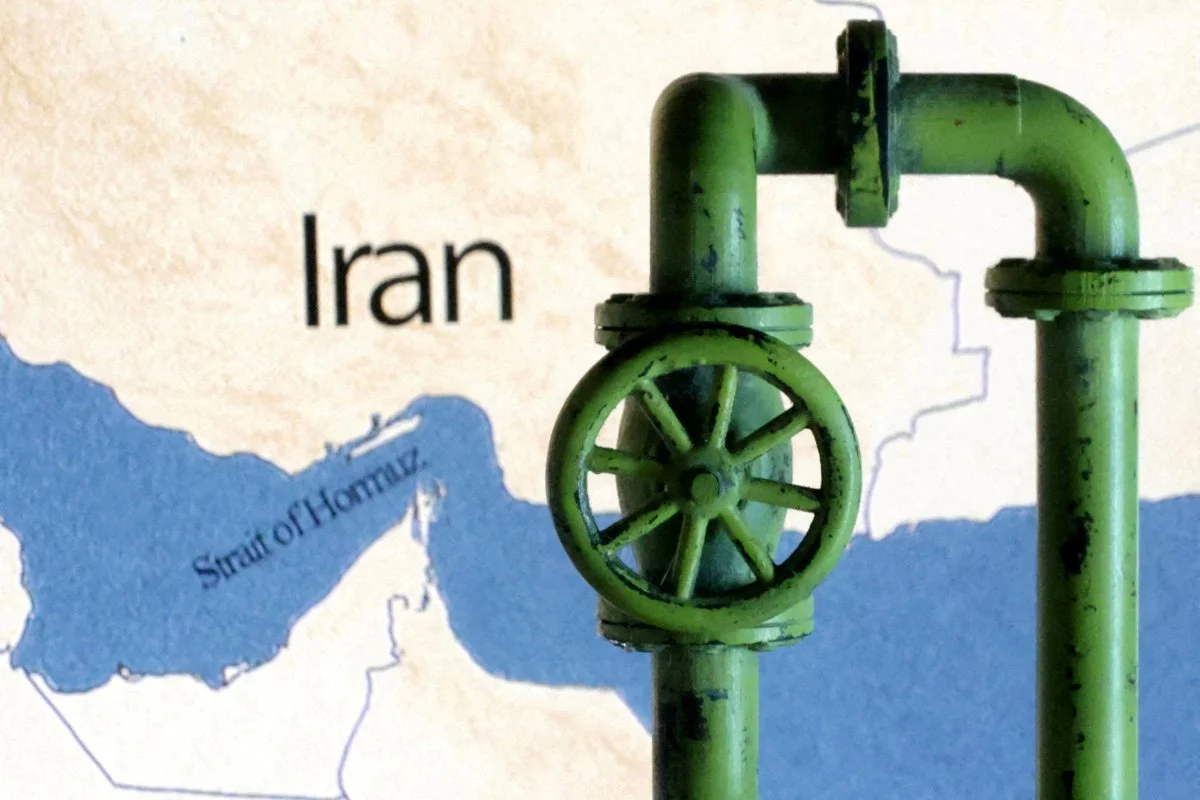
Oil prices slumped more than 4% on Monday after the United States and Iran reached an interim peace agreement aimed at ending months of conflict in the Middle East and reopening the Strait of Hormuz.
As of 02:17 ET (06:17 GMT), Brent Oil Futures expiring in August fell 4.1% to $83.79 per barrel, while West Texas Intermediate (WTI) crude futures dropped 4.6% to $80.99 per barrel.
The declines extended losses from last week and pushed both benchmarks to their lowest levels since March 10.
U.S. President Donald Trump and Iranian officials announced a framework agreement on Sunday that would halt hostilities and allow maritime traffic to resume through the Strait of Hormuz.
“I hereby fully authorize the toll free opening of the Strait of Hormuz, and, simultaneously herewith, authorize the immediate removal of the United States Naval blockade,” Trump said in a social media post.
“Ships of the World, start your engines. Let the oil flow!” he added.
The agreement is expected to be signed by Friday this week. Iran said a more expansive agreement would be negotiated during a 60-day ceasefire period.
Iran’s Mehr news agency reported that the draft agreement called for reopening the Hormuz within 30 days under Iranian arrangements.
Draft details of the agreement reportedly include sanctions relief, limits on Iran’s nuclear activities, and measures to normalize oil exports, boosting expectations of improved supply availability later this year.
The prospect of reopening the waterway has become the primary focus for oil markets. It handles roughly a fifth of global oil and fuel consumption and has been at the center of supply concerns since the conflict erupted earlier this year.
Shipping disruptions, elevated insurance costs, and fears of prolonged shortages had helped propel Brent crude above $120 a barrel at the height of the crisis.
The prospect of additional Iranian barrels reaching global markets also added pressure to prices.
Despite the market’s relief, analysts cautioned that risks remain. The ceasefire framework still requires formal implementation, while tanker traffic through Hormuz may not immediately return to pre-war levels, even if the waterway fully reopens.
Investors are also watching a busy week for central banks, including the U.S. Federal Reserve’s policy meeting due on June 16-17. The Fed is expected to keep rates steady as investors watch for future economic projections.