AI boom fuels record memory-chip profits, but cyclical risks loom
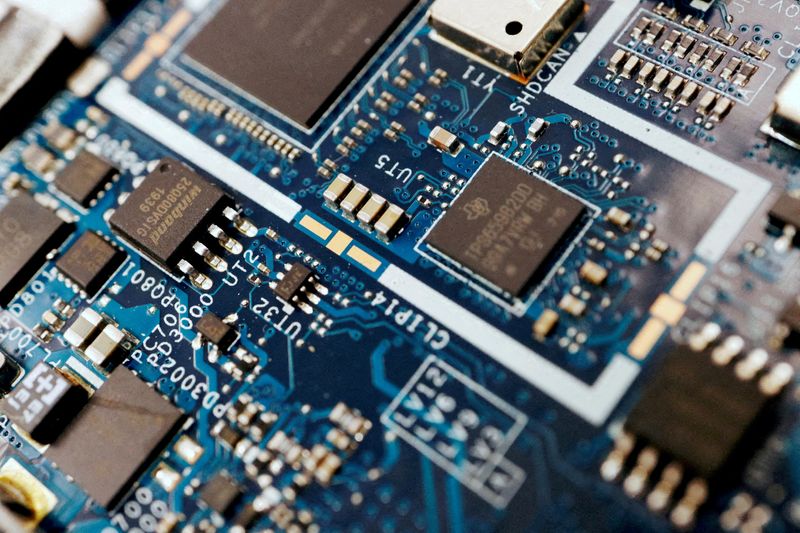
Major memory-chip manufacturers are experiencing an unprecedented surge in profitability driven by runaway artificial intelligence demand, according to a Wall Street Journal report published on Saturday.
Micron Technology Inc (NASDAQ:MU), which recorded its largest-ever corporate loss just three years ago, is currently forecast to become the sixth-most profitable stock in the United States.
The company’s projected earnings over the next 12 months are estimated at just under $100 billion, surpassing the anticipated net incomes of both Meta Platforms Inc and Berkshire Hathaway Inc.
The rapid financial turnaround extends across the broader memory sector, positioning rivals Samsung Electronics Co Ltd and SK Hynix Inc in the sweet spot of the global semiconductor manufacturing cycle.
The surging prices and profits for high-bandwidth memory (HBM) chips have prompted Wall Street analysts to repeatedly upgrade the broader S&P 500 earnings outlook.
Analysts are simultaneously elevating the two South Korean stocks to drive their domestic market as the world’s best-performing equity venue this year.
The underlying economics of the memory-chip industry remain structurally bound to heavy capital expenditure cycles, requiring significant time horizons to construct fabrication plants.
High fixed operational costs typically encourage producers to run completed facilities at maximum capacity, historically creating situations where eventual excess supply pushes down market prices and plunges corporate profits, as seen during the 2022–2023 downturn.
Current high profitability has already triggered aggressive expansions, with Micron committing $150 billion to build or expand manufacturing facilities across New York, Idaho, and Virginia alongside new infrastructure rollouts in South Korea.
Despite the stock trading at under 10 times forward earnings, making it the third-cheapest stock in the S&P 500 relative to future profits earlier this month, historical cycles show that low valuations frequently occur at the absolute peak of the chip cycle.
During the last downturn in 2022, Micron stock peaked at a forward price-to-earnings (P/E) ratio of nine times before losing half its equity value that year.
Technological advancements could make large language models far more efficient, structurally reducing the raw volume of physical memory required by data centers.
Further expanding sector capacity, recent hardware entrant Cerebras Systems Inc raised $5.55 billion in its initial public offering on Thursday, with its shares more than doubling on its first day of public trading.