Asia chip shares slide as Samsung earnings fail to calm AI valuation fears
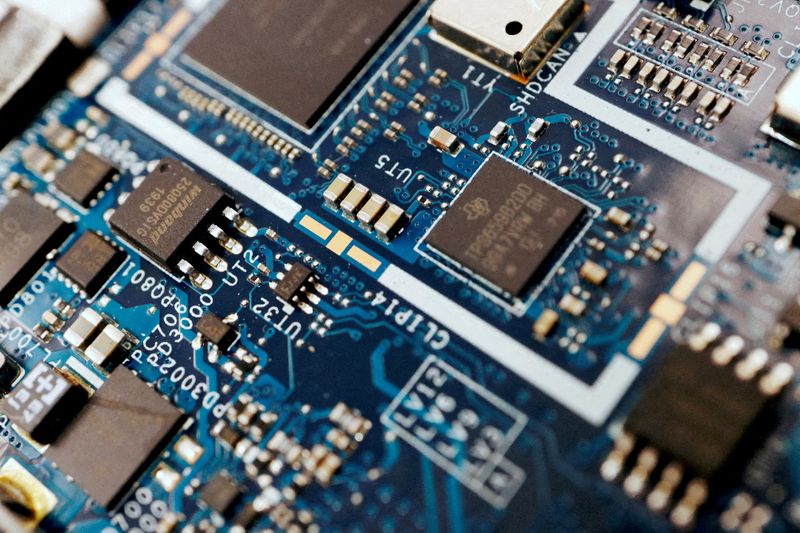
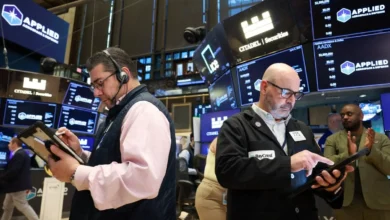
Asian semiconductor shares slid on Tuesday as Samsung Electronics’ blockbuster quarterly earnings failed to convince investors that soaring AI-driven profits can justify the sector’s lofty valuations, triggering fresh selling across the region’s memory-chip supply chain.
The pullback came despite broader expectations that demand for AI hardware will remain resilient. After months of outsized gains across global semiconductor stocks, the market appears to be demanding stronger evidence that unprecedented AI-related capital spending will translate into sustainable earnings expansion.
Samsung Electronics Co Ltd (KS:005930), the world’s largest memory-chip maker, tumbled nearly 9% after forecasting a 19-fold jump in second-quarter operating profit, as investors opted to lock in gains following the stock’s strong rally this year. The stock has more than doubled in value so-far this year. Rival SK Hynix Inc (KS:000660) also fell almost 9%.
The weakness spread quickly across Asia’s AI supply chain with the tech-heavyNikkei 225 index down over 2%. Japan’s Murata Mfg Co (TYO:6981) dropped more than 8%, while LG Innotek Co Ltd (KS:011070) shed over 5%. Taiwan’s MediaTek Inc (TW:2454) declined nearly 3%, and Nvidia AI server supplier Hon Hai Precision Industry Co Ltd (TW:2317) (Foxconn) also fell despite reporting stronger-than-expected June and second-quarter revenue driven by robust AI server demand.
The selloff also highlighted the growing influence of South Korea’s single-stock leveraged exchange-traded funds, which have become an increasingly important source of volatility in the country’s equity market. These products seek to deliver multiples of the daily performance of heavily traded names such as Samsung Electronics and SK Hynix, forcing issuers to rebalance hedge positions as share prices move.
The resulting mechanical selling during sharp declines can amplify losses in both the underlying stocks and the broader market, given the two memory-chip makers’ heavyweight influence on the KOSPI. The benchmark was down 7.6% in Asian trade.
“The earnings, though strong, didn’t have a big surprise element and were mostly priced in in the strong run this year,” said Rajat Agarwal, Asia Equity Strategist at Societe Generale.
“In the short term sentiment matters more than the earnings and that is where memory stocks are feeling the heat right now. The loss of momentum in the stock prices is in turn weighing on the single-stock leveraged ETF flows, which is further weighing on the overall market in Korea.”
Vasu Menon, Managing Director of Investment Strategy at OCBC, said the selloff reflected growing doubts over whether exceptional memory-chip earnings can be sustained if AI infrastructure investment slows, leaving investors increasingly focused on valuation rather than near-term profits.
Attention now turns to the start of the U.S. earnings season and the minutes of the Federal Reserve’s latest policy meeting this week, both of which are expected to provide fresh insight into the outlook for technology spending and interest rates.