One year after USAID cuts, Jordan’s reliance on Washington is laid bare
Freeze in US development funding has rippled through the kingdom’s economy, not only affecting schools and hospitals but stalling long-term reform
hen the US froze future development assistance to Jordan nearly a year ago, the shock that followed was not merely financial, nor immediate. It had ripple effects affecting the kingdom’s most vulnerable and has snowballed in 2026 to dismantle means needed for the aid-dependent country to secure funding from elsewhere.
While Jordan’s 2026 budget shows that US grants only slightly edged down from an estimated 600 million dinars to 593 million dinars by the end of 2025, it does not take into account the off-budget development support (formerly USAID projects) and also US military support.
In 2025, in addition to the roughly 600 million dinar of aid budgeted to Jordan, the governmental Petra News Agency reported that USAID would grant the kingdom an additional 257 million dinar for development projects. This was completely halted after the January 20 announcement that year.
The disruption of US assistance has not only created a temporary shortfall, experts say it has slowed project execution needed for Jordan to absorb aid and secure future donor funding.
“This is a national security issue,” a senior development executive for an international development organisation operating in Jordan told The National on condition of anonymity, explaining how the country’s budget excluded the full extent of US military and development aid provided.
“It unveiled serious weaknesses in terms of the Jordanian government’s high dependence on foreign assistance – especially from the US.”
In 2025 and so far this year, foreign grants outlined in the budget totalled about 734 million dinars. Without these funds, Jordan would be forced to rely far more heavily on domestic and external borrowing, raising its debt burden and tightening social spending.
The NGO executive said the allocated 257 million dinars of development support from USAID in 2025 supported 60 technical assistance programs and projects, focusing on economic development, health, education, social services, water and governance.
Overall, the US has provided Jordan with a total annual support of between $1.45 billion and $1.65 billion of mainly military and other budget-related support, which makes up about 3 per cent of its GDP, according to S&P Global, but the sudden halt of development aid is irreversible.
“The USAID money … all the systems, all the people, all the experience, all the strategy … 70 years of relationships is gone for good,” said the development executive. “Even if you build something new, it will take years to get something similar.”
Foreign assistance should not be sustainable unless it’s your plan to keep Jordan dependent
The withdrawal did not simply pause projects, it removed the main implementers needed to meet conditions and unlock EU macro-financial assistance, US cash transfers, and World Bank and International Monetary Fund programmes. After decades, that was suddenly decapitated, he said.
“These projects are essential … to unlock hundreds of millions worth of [other global] funding to Jordan.”
Hidden multipliers
The US has been Jordan’s largest external backer for decades, providing more than $33.3 billion in total economic and military aid since the 1950s and accounting for more than 40 per cent of the kingdom’s annual official assistance, according to the US Congressional Research Service.
That support expanded sharply in recent years, with a seven-year agreement signed in 2022 committing Washington to $1.45 billion a year in aid until 2029, much of it channelled into civilian budget support and USAID-run development programmes.
Yet Congress stated in its 2025 report on Jordan that recent pauses and reviews of federal funding, staff recalls and the reorganisation of US agencies may affect their implementation.
When USAID funding came to a sudden halt for Jordan in late January 2025, during the new Trump administration’s broader withdrawal of foreign assistance, it caused irreversible damage but also sent an important message to Jordan.
“Foreign assistance should not be sustainable unless it’s your plan to keep Jordan dependent,” said the Jordan-based NGO executive. “Now we know it [a halt to US support] is a possibility”.
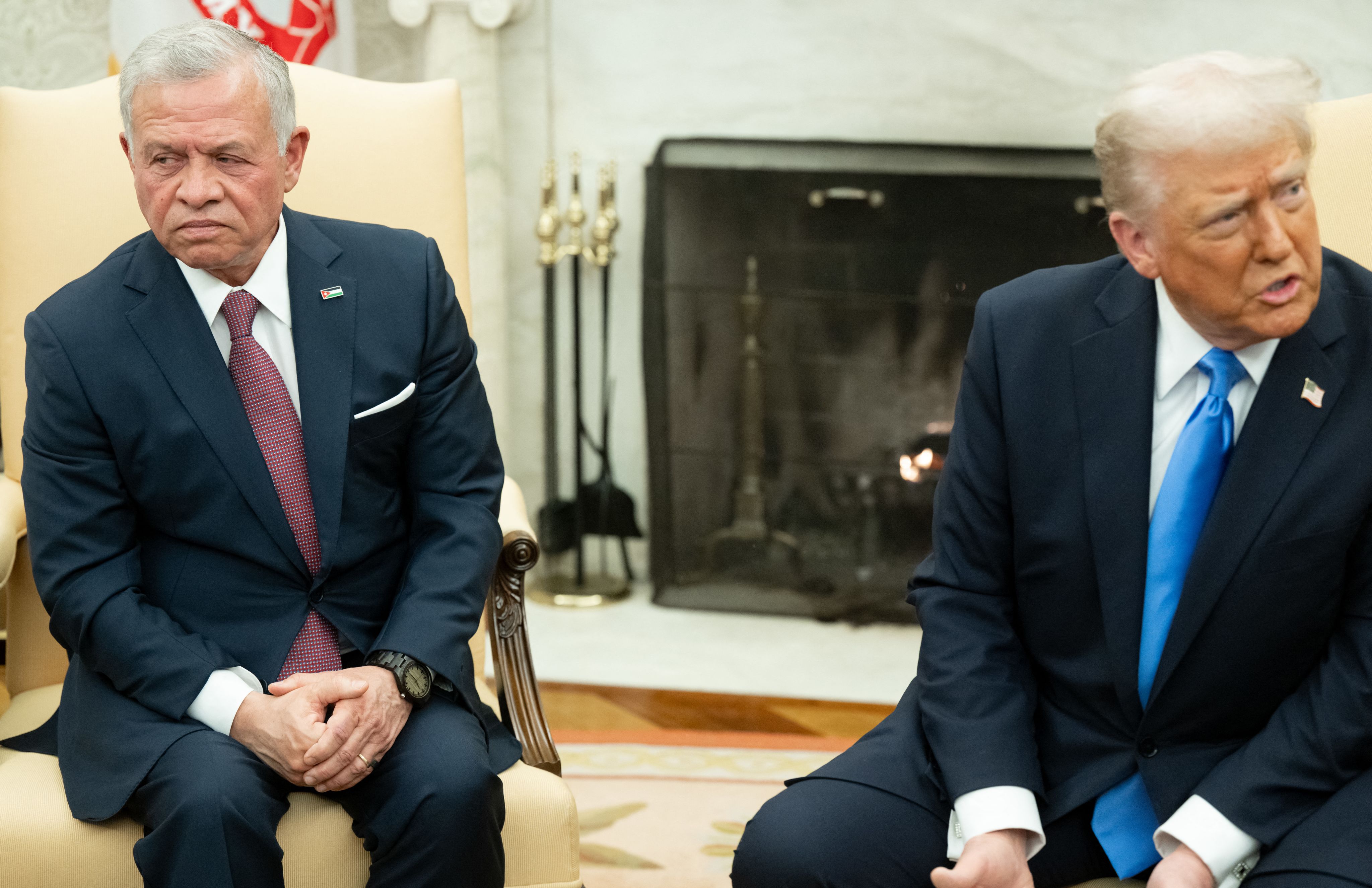
US President Donald Trump meets King Abdullah II in the White House in February 2025. AFP
The Democratic Arab Centre, an independent Egyptian research institute, argues Jordan’s dependence is deliberate. It says US foreign assistance is “one of the essential tools the United States uses to enhance its political and economic influence”. The institute adds that aid can lock in asymmetric relationships by tying recipients’ fiscal stability and regime security to continued American support.
Development specialists in Jordan say this dynamic became evident in the domino effect caused a year later by the halt of US-funded projects, which rippled through civil society, stalled modernisation efforts and weighed on future growth.
Brain drain
The most far-reaching impact of the USAID cuts is the collapse of Jordan’s development workforce, according to recent reports.
Jordan, the third-largest recipient of USAID funding after Ukraine and Ethiopia between 2021 to 2025, lost about 35,000 workers (both Jordanian and American) across public institutions, private-sector organisations, contractors and partner agencies working on USAID projects, said a report by US non-profit organisation Anera last May.
Of them, 18,000 Jordanians work directly on USAID projects, an American company executive said, quoting information shared by the US agency. These people will probably leave the country, he added.
“They are highly technical people who have amazing expertise that the Jordanian market cannot absorb,” he said. They included renewable energy engineers, waste management specialists, development focused investment consultants and more.
“These experts often left highly paid jobs with the big four [Deloitte, PwC, EY and KPMG] and came to Jordan specifically because USAID projects could offer competitive salaries.”
With funding frozen, the labour market shock has caused emigration. The Jordanian market could absorb about “5 per cent of these people who lost their jobs, but not more”, he said. “One major implementing partner let go of 62 staff in a single morning.”
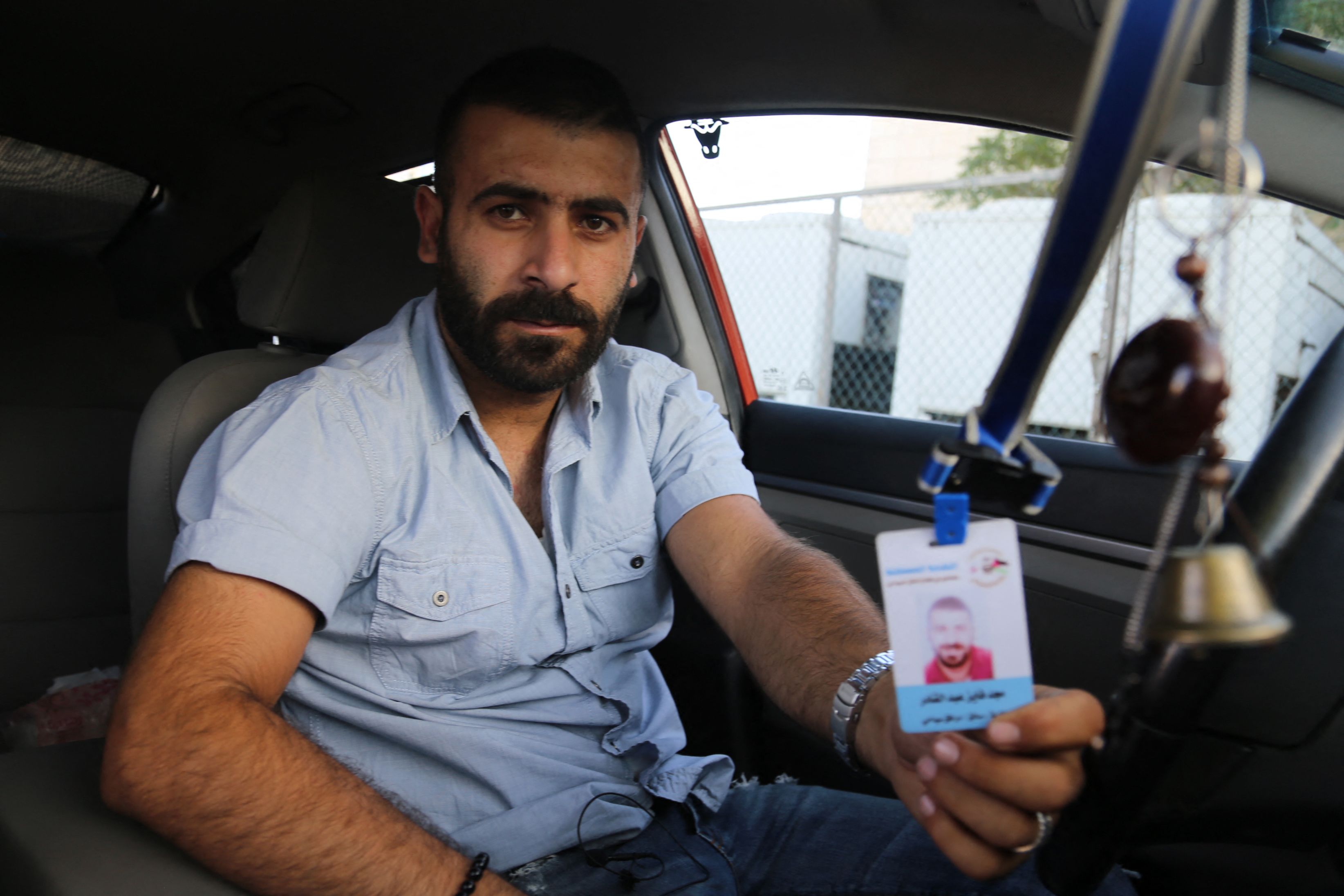
An Uber driver shows his professional card in Amman. He is one of many doctors, lawyers and entrepreneurs who have taken up driving to make ends meet. AFP
The economic ripple effect extends well beyond employment. These workers are upper middle-income and described as “the biggest spenders in the economy”. Their consumption supports education, housing, banking and services, said the NGO executive.
The crisis directly undermined financial confidence. When USAID payments stopped, US banks froze lines of credit. “No US banks now would lend to us … because it was literally US government-backed lending … and now there’s a risk of default.”
At macro level, the income shock is substantial. “Losing USAID-linked salaries alone is roughly 1.5 per cent of GDP,” he said – and this is a conservative estimate.
“That adds to the multiplier effect of each dollar that USAID spends on these projects. Each $1 translates into three, four or five into Jordan’s economy,” he said.
Ripples hit the most vulnerable
In the legal aid sector, Hadeel Abdel Aziz, executive director of the Justice Centre for Legal Aid (JCLA), said the US halt had created a “ripple effect” hitting organisations that were not direct USAID beneficiaries.
“Anyone working with the UN, they were impacted,” she said. “The UNHCR … stopped many projects that were being funded. We had projects from other donors, but they were also stopped because the original donor was the US.”
Ms Abdel Aziz believes that in some capacity, donors were following in the footsteps of the US. “There was this kind of feeling that … they were not going to fill the gaps [of the US this time]. They wanted to show that the ball was dropped,” she explained.
Overall official development assistance (ODA) from European donors declined sharply after years of growth, with total ODA falling by about 9 per cent in 2024 and projected to drop by a further 9 to 17 per cent in 2025, according to the Organisation for Economic Co-operation and Development. While these figures do not specify cuts to individual country programmes, the multilateral data underlines a broader retreat in development funding that has affected availability across sectors and regions.
The effect was immediate on refugee protection services, gender-based violence case management, and legal representation for women and children collapsed across the country. Vulnerable people are now waiting months to see a lawyer, if they can get one at all, said Ms Abdel Aziz. “Some organisations had to shut their work in Jordan permanently.”
Clinic closes
At the Institute for Family Health, which serves vulnerable Jordanians and refugees from Syria, Iraq, and Palestine, director Dr Ibrahim Aqel described a loss of “40 to 45 per cent of the ability and the capacity to provide services across Jordan” as a result of the USAID cuts in early 2025.
Forced to change
Jordan’s civil society sector has been forced into survival mode following the suspension and reduction of US funding, with organisations desperately trying to plug sudden budget gaps, cut costs and suspend projects, according to a senior executive at a large Jordanian non-profit.
The funding shock, caused by cuts linked to USAID and the US embassy, led to the NGO’s immediate suspension of eight programmes across health, disability support and cultural services, the executive said. Several of the projects were funded indirectly through international NGOs and UN-linked partners, meaning the scale of exposure only became clear after contracts were abruptly halted.
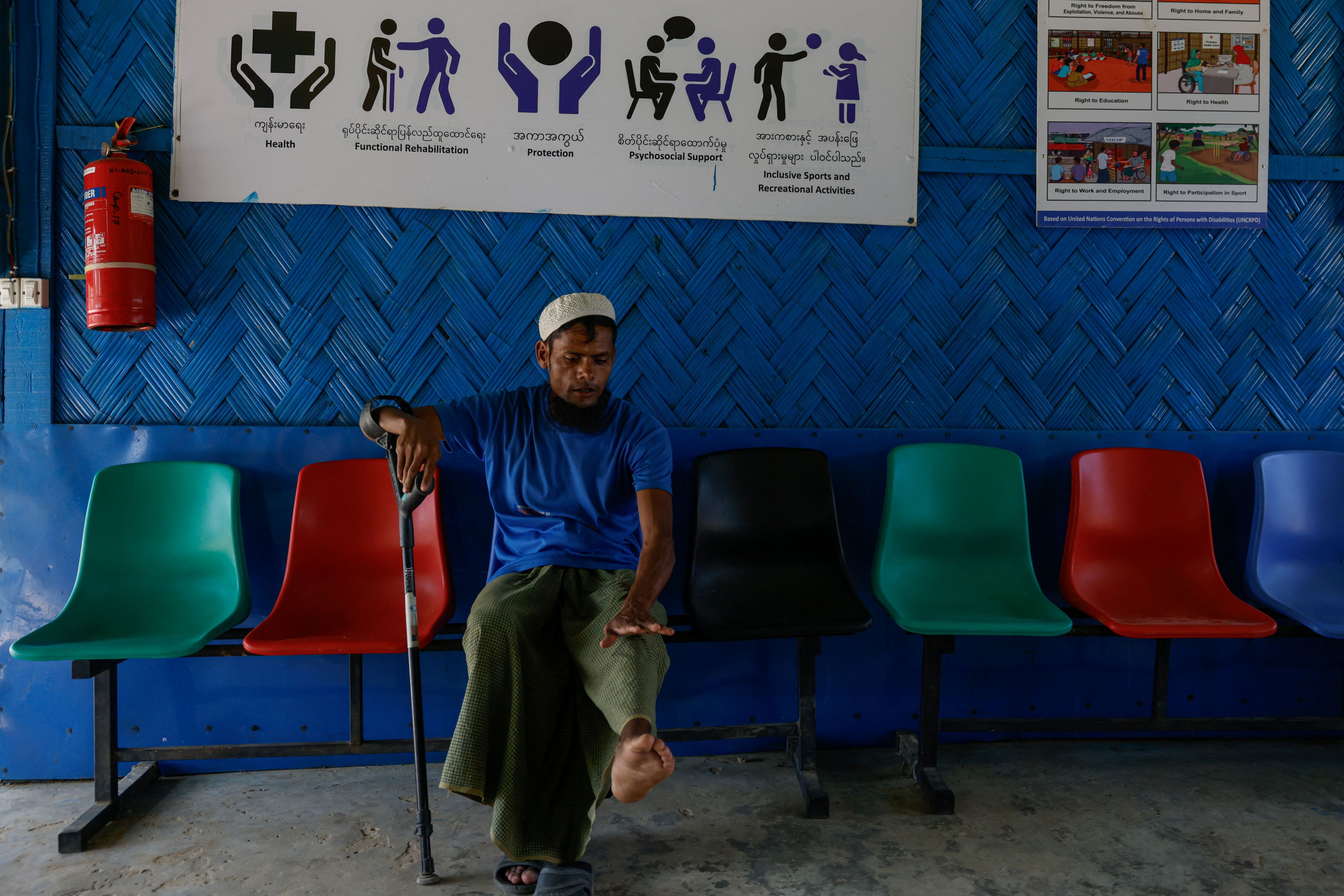
USAID funds many humanitarian projects around the world, including this facility for people with disabilities at the Rohingya refugee camp in Cox’s Bazar, southern Bangladesh. Reuters
In response, the organisation tried to diversify its funding base, reaching out to Arab foundations, development funds and wealthy people abroad.
They said more progress was made with non-US partners and local partners such as national commissions, alongside continued collaboration with a small number of UN agencies. “We now have leads with European partners as well,” the executive said. Unicef and the International Labour Organisation were among the few multilateral partners able to maintain funding, while other UN agencies and international NGOs scaled back or exited programmes entirely.
In the weeks after the cuts, the UN agency lost about 1.2 million Jordanian dinars in annual revenue, forcing it to freeze hiring, restructure contracts and sharply reduce operational spending. While emergency outreach helped recover between 60 and 70 per cent of the lost funding, an executive with knowledge of the agency’s work cautioned that they were not safe yet. “We are stable for this year, but not shock-proof,” they said.
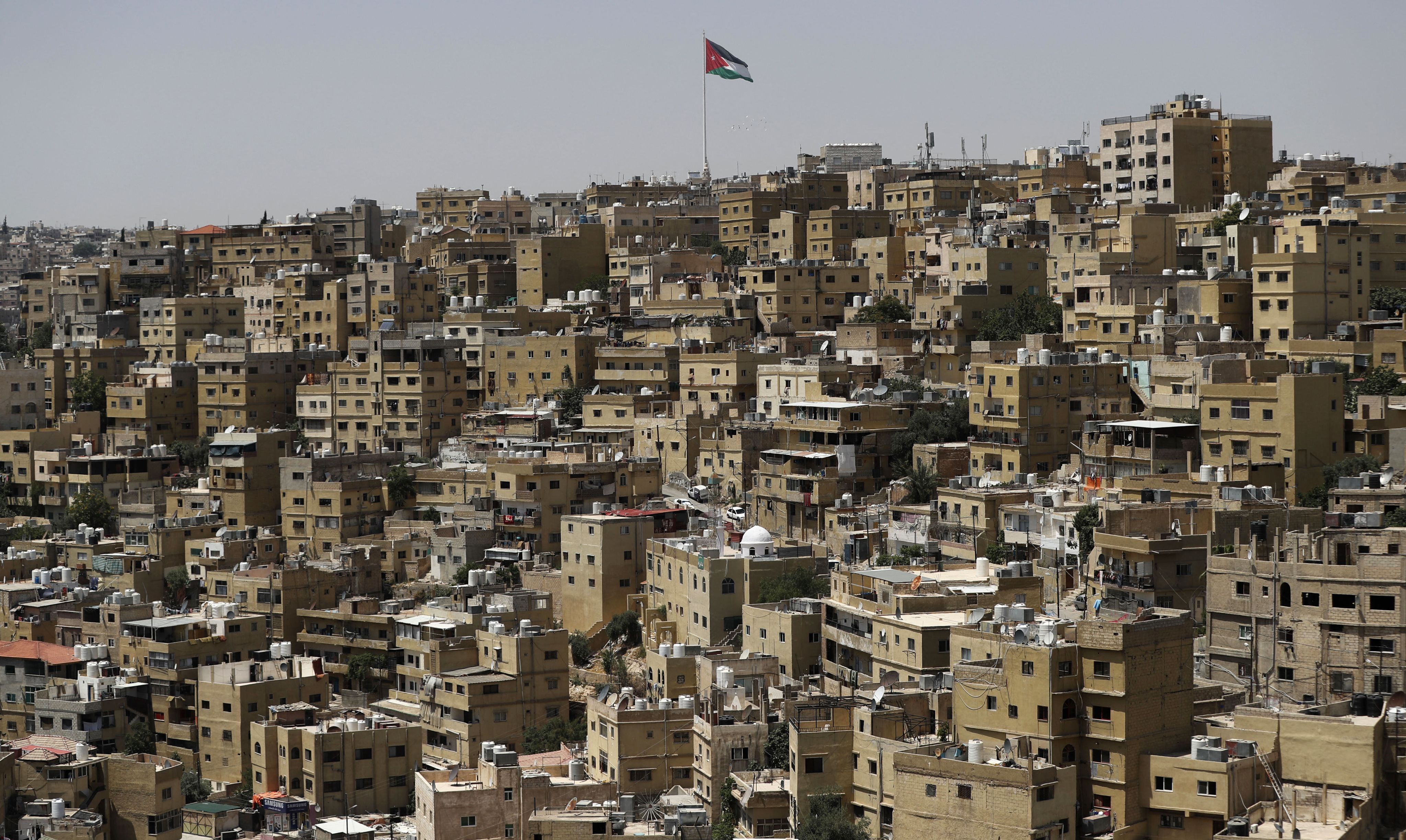
Jordan’s civil society was shaken and forced to restructure after major cuts to funding through USAID. AFP
The funding disruption has also driven significant internal restructuring. “Now we’re looking into optimisation of resources,” the executive said, explaining that the organisation reassessed job responsibilities, halted new hiring and reduced operational overheads. “We became very rigid about spending,” they added, citing cuts to transport, fuel, electricity and other day-to-day expenses.
Staffing practices have shifted towards short-term contracts to manage risk. “Our hiring practices now – it’s project-based, short term, just in case any suspension of funding happens,” the executive said. “We really worked on the revenue side and the cost factor … and we worked on both,” they added, describing the dual approach as essential to maintaining operations.
Stalled reform engine
Even if USAID payments resume, none of those interviewed believe Jordan is anywhere close to recovering.
In October, the country received a $295 million grant and concessional loan from the Green Climate Fund towards the $6 billion Aqaba-Amman Water Desalination and Conveyance Project, a strategic initiative that will desalinate and transport water to serve nearly half the population of one of the world’s most water-scarce countries.
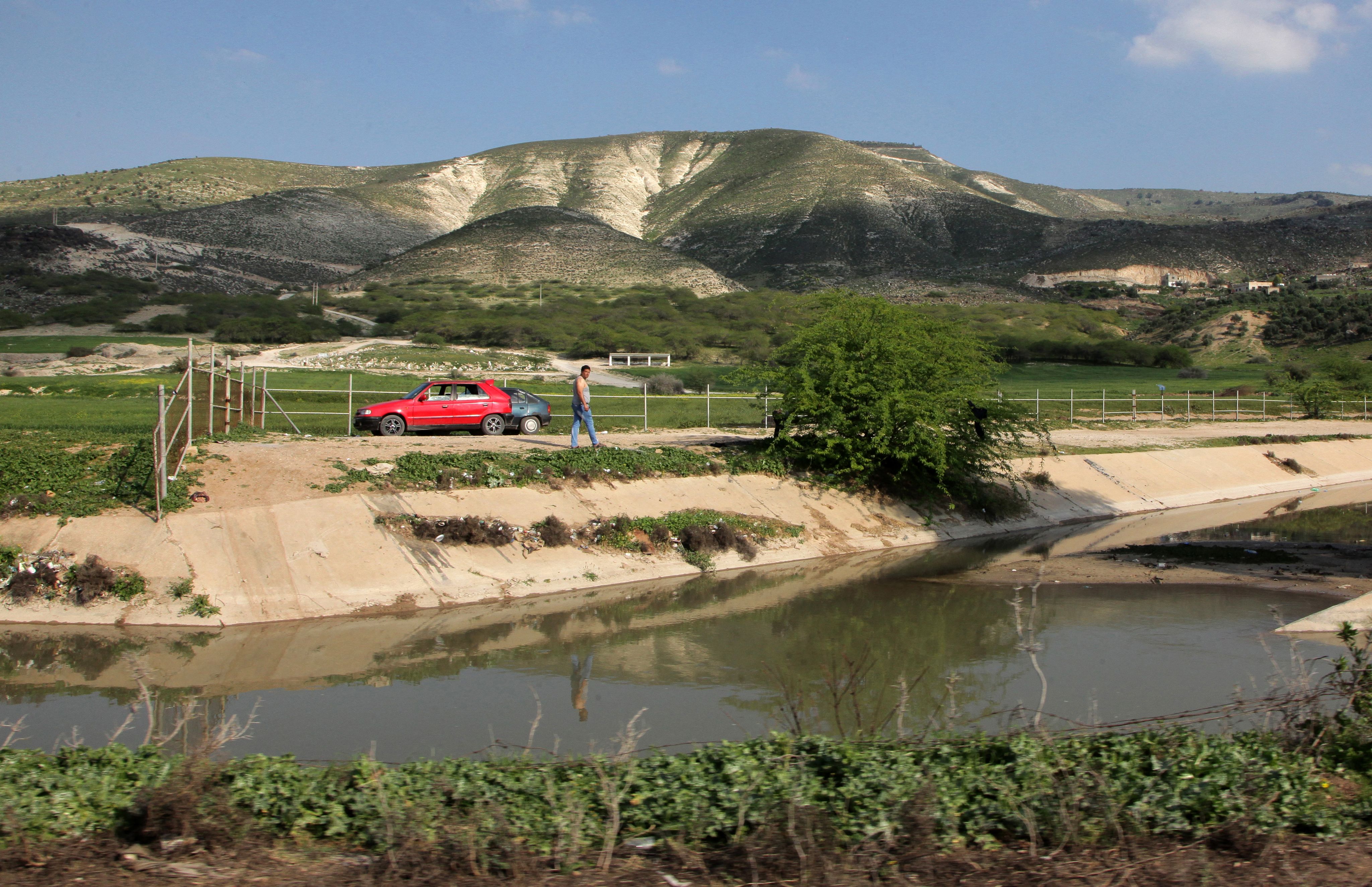
King Abdullah Canal is one of the water scarcity projects in Jordan funded by USAID. AFP
Projects like this sound promising, along with other forward-looking plans such as Jordan’s core modernisation plan – the Economic Modernisation Vision and Public Sector Modernisation Roadmap – but on the backdrop of the January 2025 temporary halt of US aid, the risk remain high that if Jordan’s policy is not perfectly aligned with that of the US, a big source of funding will be lost, along with Jordan’s ambitions.
As one global NGO executive put it: “You lose the USAID projects, you lose big part of the implementation.”
thenationalnews